

Family Fund’s response to the UK Autumn budget 2026
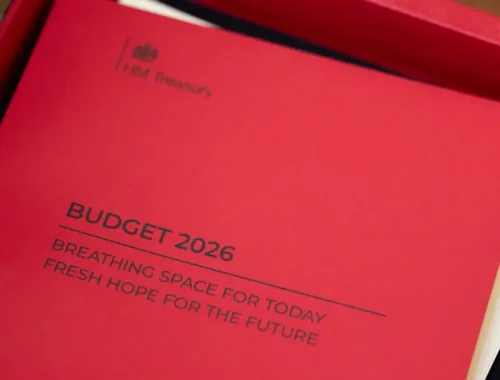
Today’s budget included some welcome new support to help families with disabled or seriously ill children and young people with rising costs including energy bills. While breathing space is necessary, especially this winter, families need long term sustainable support. Families will also be anxiously waiting to understand plans to reform and reduce welfare spending.
Family Fund particularly welcomes announcements to help with energy bills this winter – including £100 for households in Council Tax bands A-D, and the extension to July of the £50 VAT cut from electricity bills. These announcements will help families anxious about the rises in energy costs that are predicted this winter. The Budget also includes a new Energy Debt Circuit Breaker strategy an important first step to help tackle the serious issue of energy bill debt.
Many families with disabled children have higher energy use, running the washing machine for extra loads of laundry, keeping the house warm for longer periods, or keeping medical equipment and devices charged. Unable to cut their energy usage, many families are going into debt, so support to make bills more affordable and get out of debt is essential.
The removal of the standing charge from gas bills from 2027, instead shifting the cost to an increase in the unit price of gas, is more complicated. For the majority it will make bills cheaper but those who use more gas will pay more, which has a serious impact for those who can’t reduce their usage. The government says this will be fairly applied, with ‘targeted mitigation’ to protect vulnerable households, but as of yet there are no details on this. We will work with the government and other organisations to make sure that families with disabled children aren’t unfairly impacted.
Alongside support for energy bills there are a range of other supportive measures to help with the cost of living. Increases to the National Living Wage and National Minimum Wage, lower import tariffs on some supermarket foods, changes to mileage allowances and improvements to parental pay rights should all help some families manage everyday costs.
There were also some longer term measures we hope will help with family’s financial security. Firstly, the removal of the cliff-edge from Carers Allowance, which we know will be good news for many families, provides better support and flexibility for carers to earn more. However, this won’t take effect until 2030, and doesn’t address other aspects of much-needed support for unpaid carers.
There was also a £100 million investment in apprenticeships to support more young people to get into work. If these include appropriate support we hope they will provide disabled young people with the opportunities they are looking for. Family Fund and others are working together to ensure this includes appropriate support is included.
However, despite these welcome announcements, many families will be wondering what the future holds for benefits reform, with the Timms Review and Milburn review of young people and work expected in the next few weeks.
The Autumn budget contains some important immediate action that will support families raising disabled children this winter but they need longer-term solutions. As government prepares further reforms to welfare and employment support, it is essential that the voices and experiences of disabled children, young people and their families help shape the decisions that follow.
Helen Gravestock, Director of External Affairs at Family Fund, says “We welcome the commitment to everyday fixes to ease some of the pressures created by the cost of living. New support with energy bills, lower food prices and the end of the Carer’s Allowance cliff edge will be warmly welcomed by families raising disabled children, for whom even small savings can make stretched budgets go further. But families need more than short-term help. Long-term action is needed to make energy affordable through an energy social tariff and to ensure social security provides enough income to cover the essentials.”
Picture: Kirsty O’Connor / HM Treasury via BBC News